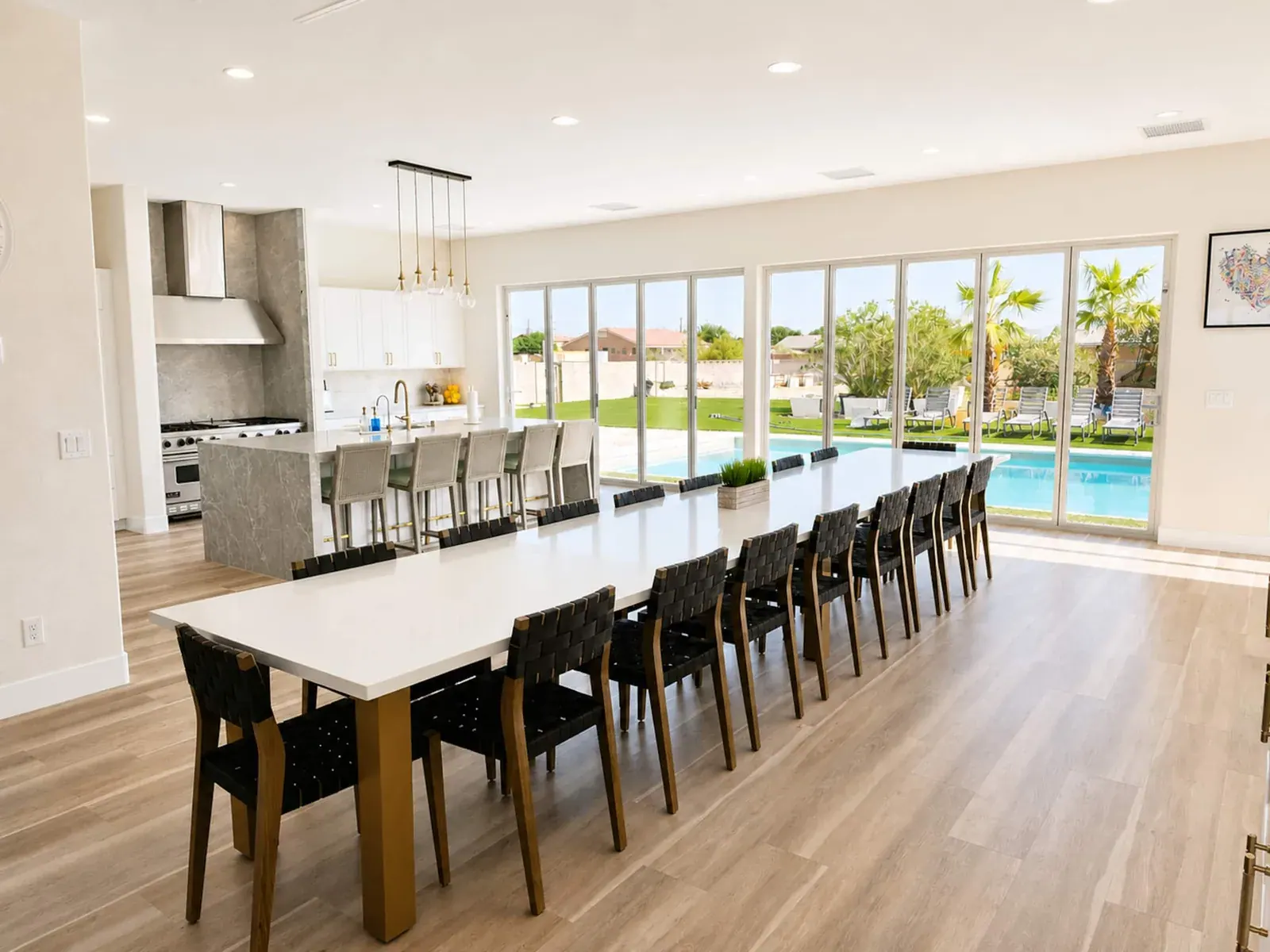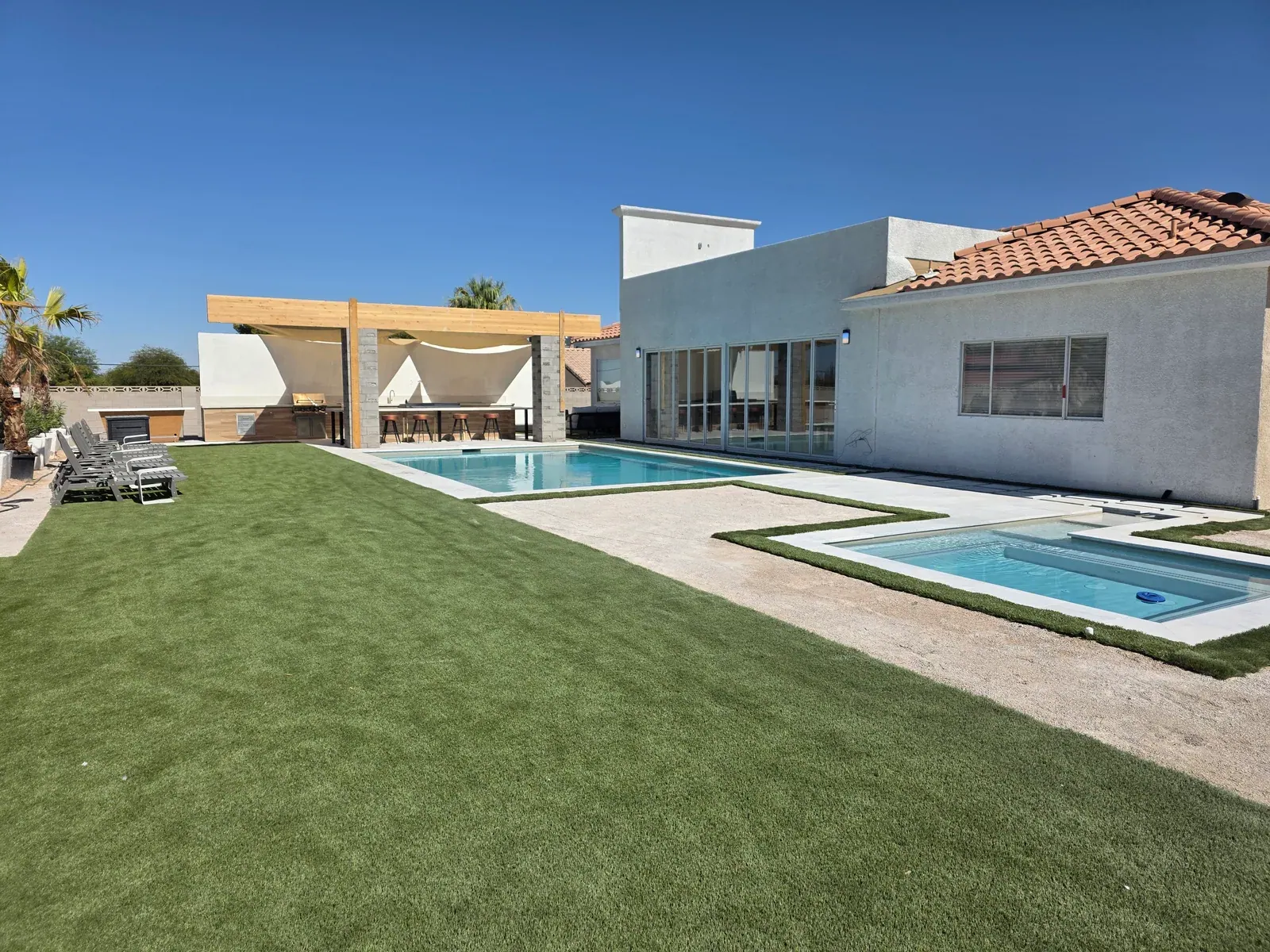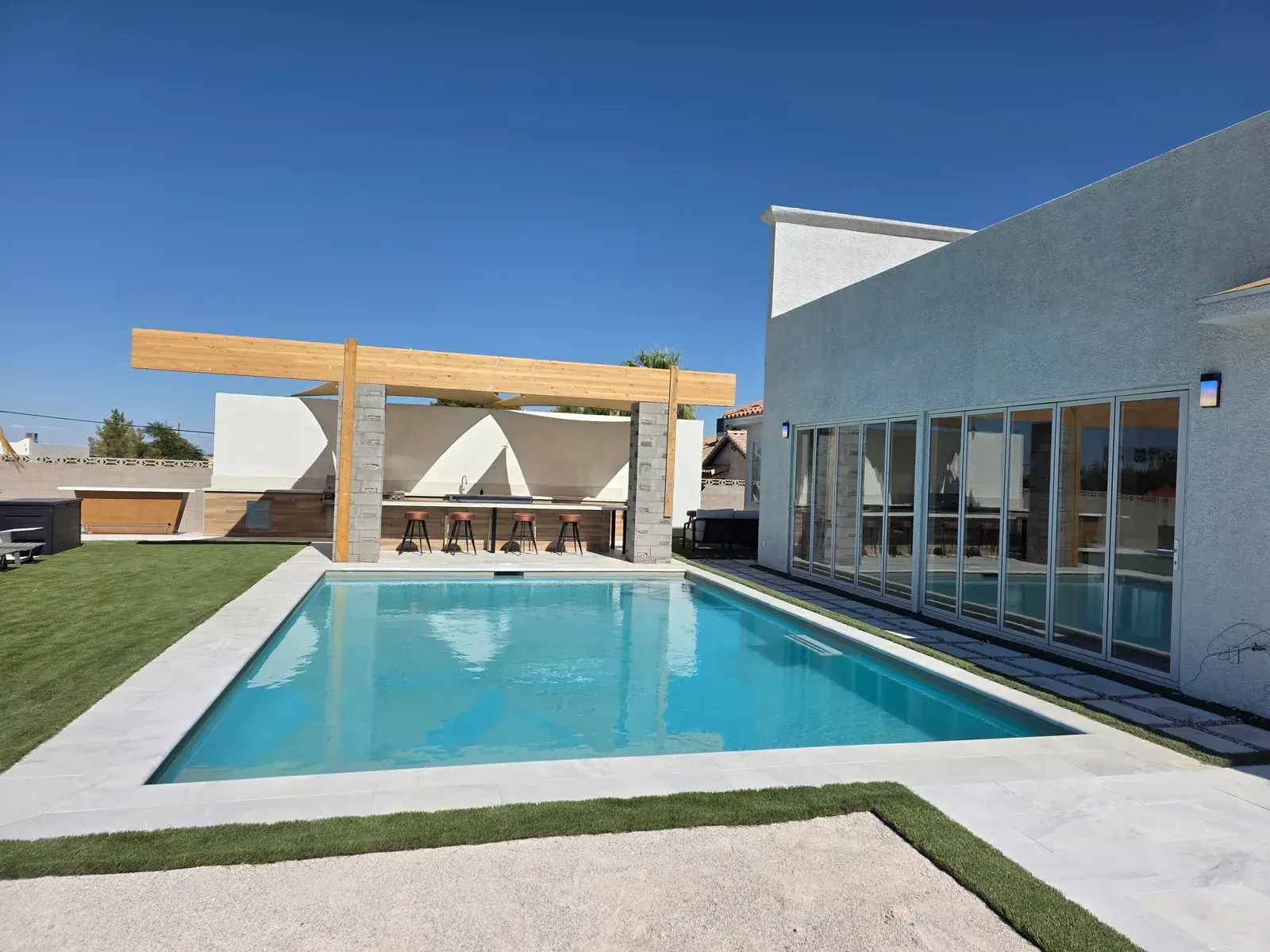
Las Vegas is the default bachelorette destination for good reasons: everyone can fly there, there is something for every energy level, and the city is built to absorb a group. The weekends that go well are almost always the ones that were planned in the right order — group size first, then where everyone sleeps, then the daytime, and only then the nights out. Here is that order, in detail.
1. Settle the group size and the budget before anything else
Every other decision depends on these two numbers, and both tend to move. Get a firm headcount with a deadline attached, and agree a per-person budget range in the same conversation. A group of eight and a group of eighteen are different trips with different accommodation, different restaurants and different transport.
Be specific about what the budget covers. Accommodation, food, activities and transport are usually four separate pots, and the friction later almost always comes from someone assuming a number was all-in when it was not. Decide early whether the bride pays for anything at all — the convention is that she does not, and the group splits her share.
2. Decide where everyone sleeps
This matters more than people expect, because it determines how much of the weekend the group actually spends together. Hotel rooms scatter a group across floors; a house keeps everyone in one place. We wrote a longer comparison of villas versus hotel rooms for groups if you want the cost breakdown.
Whichever way you go, look at the actual bed list rather than the maximum occupancy. “Sleeps 20” can mean twenty real beds or twelve beds and some sofas, and the difference shows up at 2am. If you are comparing private homes, ask for the room-by-room breakdown — good operators publish it.
Sort the room allocation before you arrive, not on the doorstep. Couples and light sleepers first, then everyone else. It takes five minutes over text and removes the one genuinely awkward moment of the weekend.
3. Plan the daytime — it is most of the trip
Bachelorette itineraries tend to be built around the evenings, then everyone discovers that the hours between eleven and six are the bulk of the weekend and nothing has been decided. Las Vegas daytime options split roughly three ways:
- Pool. The default. Public pool clubs are lively and expensive — day beds and cabanas are booked separately with minimum spends. A private pool costs nothing extra once you have the house and lets the day drift.
- Out of the city. Red Rock Canyon is the standard escape for a morning of desert scenery, and there are day trips further afield if the group is up for driving.
- Doing very little. Underrated, and the reason a house with somewhere comfortable to sit tends to beat a hotel for this specific trip.
Whatever you pick, do not schedule all three days. One anchor per day is plenty, and the group will thank you for the gaps.
4. Book the dinners early, keep the nights loose
Restaurant reservations for large groups are the thing most likely to be impossible if you leave them late. Book the two dinners that matter as soon as your headcount is firm, and confirm the group size the restaurant will actually seat at one table — some will split you across two, which changes the evening.
Nights out need much less planning than people give them. Clubs, shows and bars can be decided the same day depending on the group's energy, and over-scheduling evenings is the most common way a weekend starts to feel like an itinerary rather than a holiday. Pick one show or one club you genuinely want, book that, and leave the rest open.
5. Sort transport once, not per outing
Rideshare is constant across the Las Vegas valley and is usually the simplest answer — no one has to drive or stay sober, and a group of twelve splits into three cars without much fuss. For a group all going to the same dinner at the same time, a single booked van removes twenty minutes of coordination.
If people are driving in rather than flying, check parking capacity where you are staying before assuming it is fine. Hotels charge per car, per night; private homes vary widely.
A Friday-to-Sunday template that works
Adapt freely, but this shape holds up:
- Friday afternoon. Arrivals, room allocation already decided, nothing scheduled. Let people land, eat something informal, and be around the house.
- Friday evening. The one big group dinner, booked well in advance. Then out, or not.
- Saturday daytime. The pool day, or the excursion. This is the centre of the weekend and should be the least rushed part of it.
- Saturday evening. The main event — show, club or a proper night out. Everyone knows this is the late one.
- Sunday morning. Slow. Coffee, leftovers, a swim, and a check-out time everyone knows in advance. Do not schedule anything before noon.
What to sort in advance, in one list
- Firm headcount with a deadline, and the per-person budget range.
- Accommodation booked, with the bed list confirmed and rooms allocated.
- Two dinner reservations, sized to seat the group at one table.
- One show, club or activity booked; the rest left open.
- Airport arrivals collected into a shared note so people can share rides in.
- Whatever the bride actually wants — worth asking directly rather than assuming.
- If you are planning anything beyond a normal stay at a private home — decorators, vendors, extra guests arriving for the evening — get it approved in writing first. Most properties, ours included, require it.
A note on timing
Las Vegas summers are genuinely hot, regularly above 100°F from June through August, which makes daytime outdoors a short-window activity. Spring and autumn are the comfortable months and the busiest for exactly that reason. Winter is mild, quieter and cheaper, but the pool matters less. Also check what is on: major events fill the city and move room rates sharply, so a weekend that looks oddly expensive usually has a reason behind it.
If you are looking at a private house for the weekend, you can see how the seven bedrooms are laid out, browse the pool, spa and game room, or check your dates for a live total.